
 magyar
 română
 slovenčina
 čeština
 English
 Deutsch
 polski
 italiano
 español
 svenska
 português
 français
 dansk
dansk
 suomi
suomi
 Nederlands
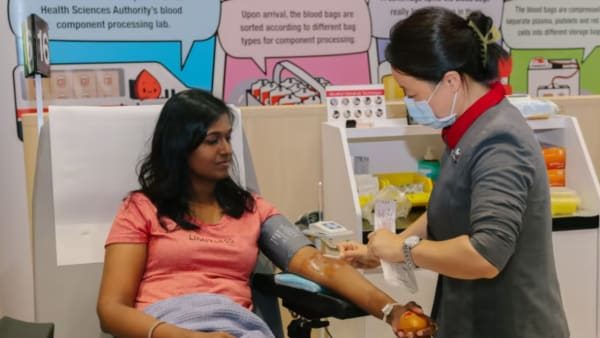
Blood Donation Incentive Programs: Understanding Health Rewards for Donors
Fasting blood sugar, also known as fasting blood glucose or FBS, is a laboratory test that measures the amount of glucose in your blood after you have not eaten for at least eight hours. This test is one of the most commonly used methods to screen for diabetes and prediabetes. It helps healthcare providers understand how well your body regulates blood sugar levels when you are not consuming food. The test requires a simple blood draw, typically performed in the morning before breakfast, and results are usually available within a few hours.
Normal fasting blood sugar levels generally range from 70 to 99 milligrams per deciliter. If your fasting blood sugar level is between 100 and 125 milligrams per deciliter, this indicates prediabetes, a condition where blood sugar levels are higher than normal but not yet high enough to be classified as diabetes. A fasting blood sugar level of 126 milligrams per deciliter or higher on two separate occasions typically indicates diabetes. These threshold values help doctors identify individuals at risk and those who require further testing or treatment.
Preparing properly for a fasting blood sugar test is essential to ensure accurate results. You should not eat or drink anything except water for at least eight hours before the test. It is important to continue taking your regular medications unless your doctor instructs you otherwise, and you should inform the laboratory staff about any medications or supplements you are taking. Certain factors can affect test results, including stress, illness, certain medications, and not fasting for the required amount of time.
The fasting blood sugar test is often used in combination with other tests to provide a complete picture of your blood sugar control. These may include the hemoglobin A1C test, which shows your average blood sugar levels over the past two to three months, or an oral glucose tolerance test, which measures how your body processes sugar over time. Regular monitoring of fasting blood sugar levels is particularly important for people with diabetes, those at risk for developing diabetes, pregnant women, and individuals with a family history of diabetes. Early detection through routine testing allows for timely intervention and can help prevent or delay serious complications associated with uncontrolled blood sugar levels.