
 magyar
 română
 slovenčina
 čeština
 English
 Deutsch
 polski
 italiano
 español
 svenska
 português
 français
 dansk
dansk
 suomi
suomi
 Nederlands
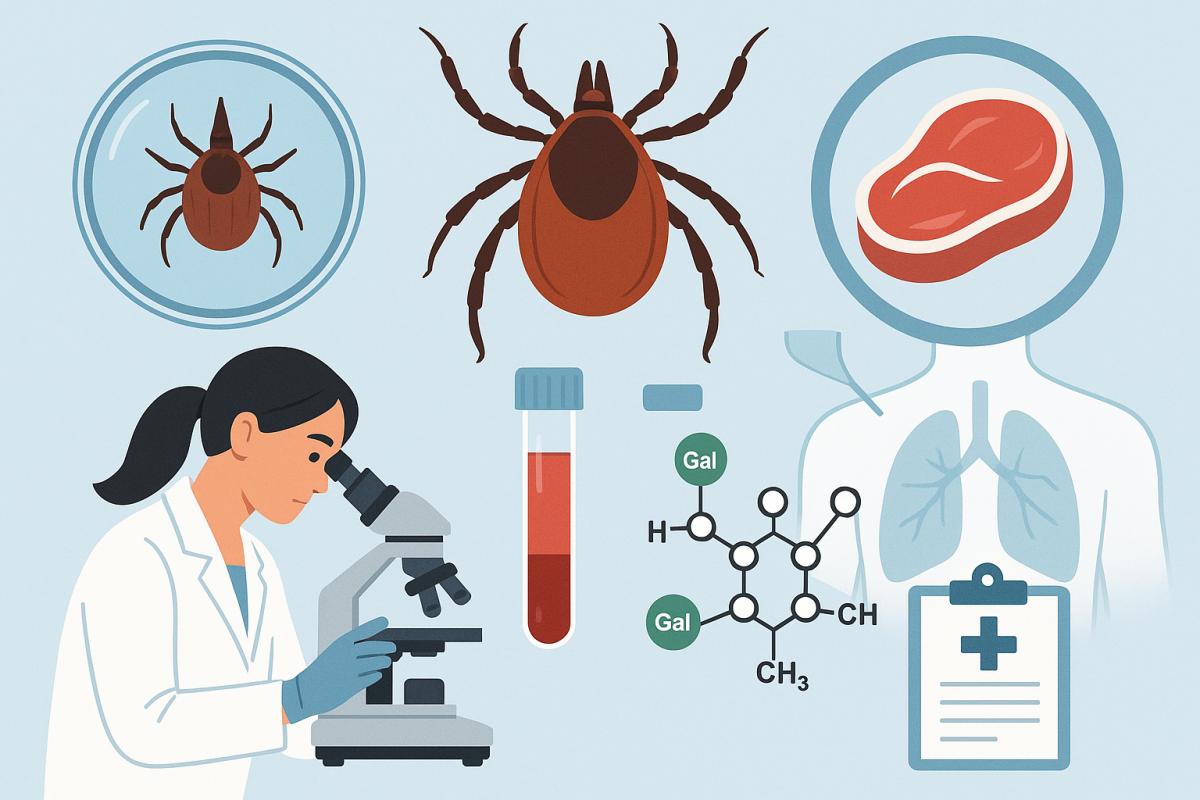
Alpha-Gal Syndrome: Tick-Borne Meat Allergy Explained
Diabetes is a chronic metabolic disorder characterized by elevated blood glucose levels resulting from the body's inability to produce or properly use insulin. There are several types of diabetes, with Type 1 and Type 2 being the most common. Type 1 diabetes occurs when the immune system destroys insulin-producing cells in the pancreas, while Type 2 diabetes develops when the body becomes resistant to insulin or doesn't produce enough of it. Laboratory testing plays a crucial role in diagnosing diabetes, monitoring blood sugar control, and preventing complications.
The primary laboratory tests used for diabetes diagnosis and management include fasting blood glucose, oral glucose tolerance test, hemoglobin A1C, and random blood glucose measurements. A fasting blood glucose test measures blood sugar after an overnight fast, with levels of 126 mg/dL or higher on two separate occasions indicating diabetes. The oral glucose tolerance test involves measuring blood glucose before and two hours after consuming a sugary drink, with a two-hour value of 200 mg/dL or higher confirming diabetes. Hemoglobin A1C reflects average blood glucose levels over the past two to three months, with values of 6.5 percent or higher indicating diabetes. This test is particularly valuable because it doesn't require fasting and provides insight into long-term glucose control.
Beyond diagnostic testing, regular laboratory monitoring is essential for people with diabetes to prevent serious complications. Additional tests may include urine albumin to check for kidney damage, lipid panels to assess cardiovascular risk, and kidney function tests. Monitoring blood glucose levels helps healthcare providers adjust treatment plans, including medications, diet, and exercise recommendations. People with diabetes should work closely with their healthcare team to determine the appropriate frequency of testing based on their individual circumstances.
Early detection through laboratory testing allows for timely intervention and better disease management. Prediabetes, identified by blood glucose levels higher than normal but not yet in the diabetic range, can often be reversed through lifestyle modifications. Regular screening is recommended for individuals with risk factors such as obesity, family history of diabetes, sedentary lifestyle, or belonging to certain ethnic groups with higher diabetes prevalence. Understanding laboratory test results empowers individuals to take an active role in managing their health and reducing the risk of diabetes-related complications.