
 magyar
 română
 slovenčina
 čeština
 English
 Deutsch
 polski
 italiano
 español
 svenska
 português
 français
 dansk
dansk
 suomi
suomi
 Nederlands
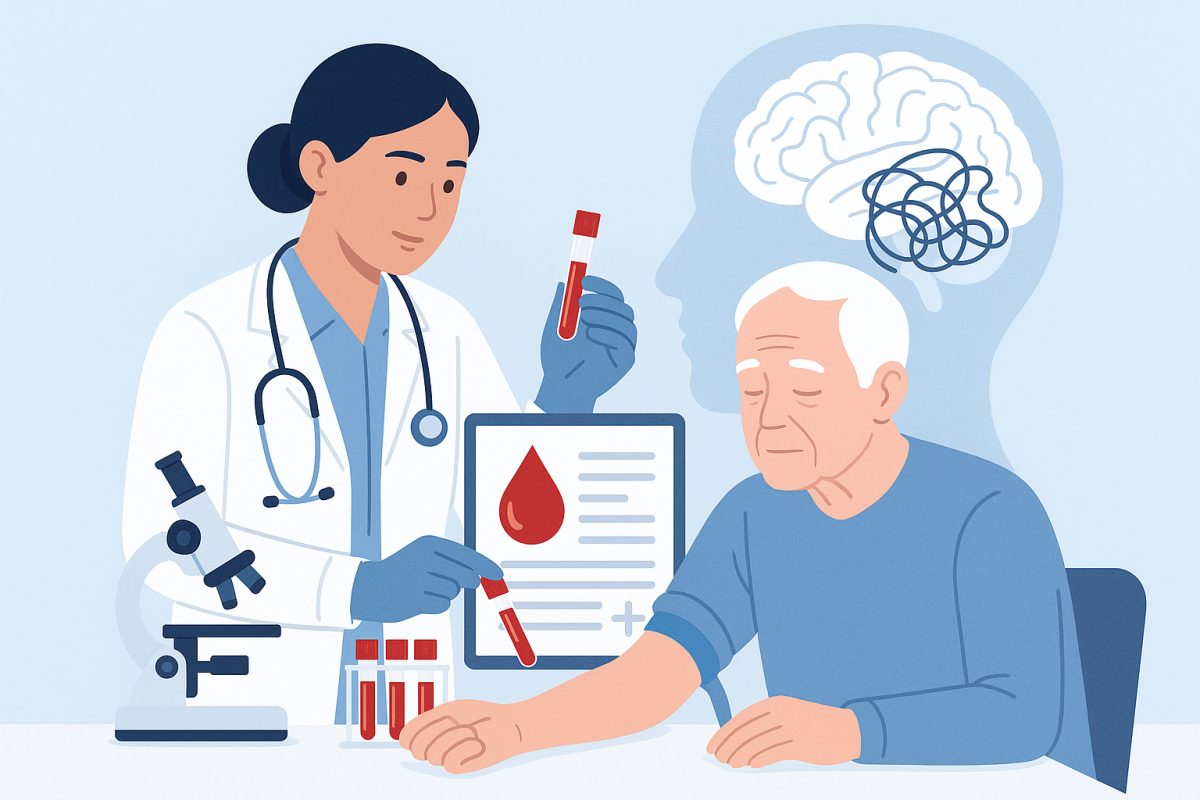
Blood Tests for Alzheimer's Improve Diagnosis Accuracy in Primary Care
Hepatitis C is a viral infection that affects the liver and can lead to serious health complications if left untreated. The infection is caused by the hepatitis C virus, which spreads primarily through contact with infected blood. Many people with hepatitis C may not experience symptoms for years, which is why laboratory testing is crucial for early detection and treatment.
Laboratory tests for hepatitis C typically begin with a screening test called the hepatitis C antibody test. This blood test detects antibodies that your immune system produces in response to the hepatitis C virus. If the antibody test is positive, it means you have been exposed to the virus at some point, but it doesn't necessarily confirm an active infection. A follow-up test called the hepatitis C RNA test is then performed to determine if the virus is currently present in your bloodstream. This molecular test can detect the genetic material of the virus and confirm whether you have an active infection.
Additional laboratory tests may be ordered to assess the extent of liver damage and guide treatment decisions. These include liver function tests, which measure enzymes and proteins in your blood that indicate how well your liver is working. A complete blood count may also be performed to check for anemia or other blood-related issues. In some cases, your healthcare provider may order a test to determine the specific genotype of the hepatitis C virus you have, as this information helps determine the most effective treatment approach.
Regular monitoring through laboratory testing is essential for people diagnosed with hepatitis C, even if they are undergoing treatment. Blood tests help track viral load levels, which measure the amount of virus in your blood, and monitor liver function throughout the treatment process. Early detection through routine screening is particularly important for individuals at higher risk, including those who have received blood transfusions before 1992, current or former injection drug users, healthcare workers exposed to infected blood, and people born between 1945 and 1965. With modern antiviral medications, hepatitis C is now curable in most cases, making timely laboratory testing more important than ever for protecting liver health and preventing transmission to others.