
 magyar
 română
 slovenčina
 čeština
 English
 Deutsch
 polski
 italiano
 español
 svenska
 português
 français
 dansk
dansk
 suomi
suomi
 Nederlands
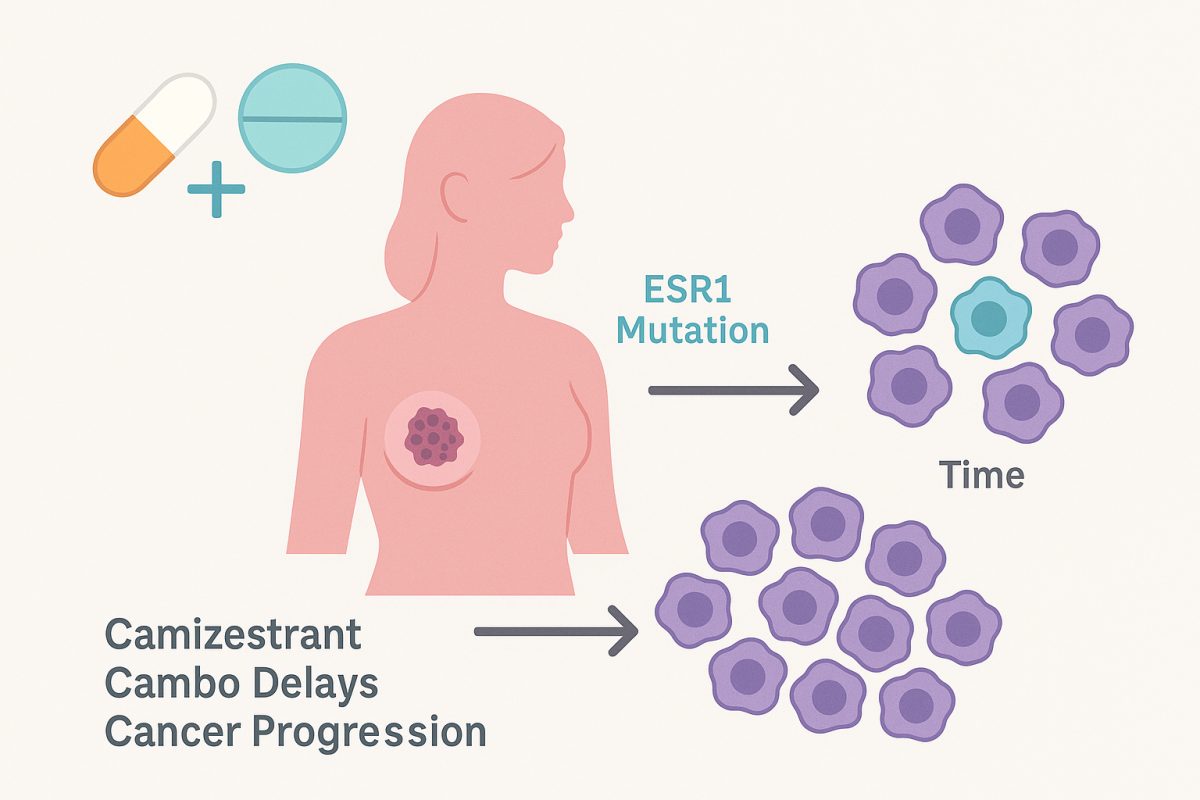
Camizestrant Combo Delays Cancer Progression in HR+ Breast Cancer with ESR1 Mutation
Hemoglobin is a protein found inside red blood cells that plays a crucial role in transporting oxygen throughout the body. When you undergo a complete blood count or CBC test, one of the measurements included is your hemoglobin level. This test helps healthcare providers assess your overall health and detect various conditions, including anemia, which occurs when hemoglobin levels are too low. Understanding your hemoglobin levels can provide valuable insights into how well your blood is carrying oxygen to your tissues and organs.
Normal hemoglobin levels vary depending on age and gender. For adult men, the typical range is approximately 13.5 to 17.5 grams per deciliter of blood, while for adult women, it ranges from about 12.0 to 15.5 grams per deciliter. Women generally have lower hemoglobin levels than men due to menstrual blood loss and differences in body composition. Children and pregnant women have different reference ranges, so it is important to interpret results based on individual characteristics.
Low hemoglobin levels indicate anemia, which can result from various causes including iron deficiency, vitamin deficiencies, chronic diseases, blood loss, or bone marrow problems. People with anemia may experience fatigue, weakness, pale skin, shortness of breath, dizziness, and cold hands and feet. If your hemoglobin test shows low levels, your healthcare provider will likely order additional tests to determine the underlying cause and recommend appropriate treatment, which may include dietary changes, supplements, or addressing any underlying medical conditions.
High hemoglobin levels are less common but can also indicate health problems. Elevated hemoglobin may occur in people living at high altitudes, smokers, or those with certain medical conditions such as polycythemia vera, lung disease, heart disease, or dehydration. High hemoglobin can make blood thicker, potentially increasing the risk of blood clots. If your test shows elevated levels, further evaluation may be necessary to identify the cause and determine if treatment is needed.
Preparing for a hemoglobin test typically requires no special preparation, as it is usually part of a routine blood draw. However, if you are having other tests done at the same time, your healthcare provider may give you specific instructions such as fasting. The test involves drawing a small blood sample from a vein in your arm, which is then analyzed in a laboratory. Results are usually available within a day or two, and your healthcare provider will discuss what your specific hemoglobin level means for your health and whether any follow-up is necessary.