
 magyar
 română
 slovenčina
 čeština
 English
 Deutsch
 polski
 italiano
 español
 svenska
 português
 français
 dansk
dansk
 suomi
suomi
 Nederlands
Can Diabetes Management Slow Alzheimer's? Study Tracks Key Biomarker
Thyroid function tests are essential laboratory examinations used to evaluate how well your thyroid gland is working. The thyroid is a small butterfly-shaped gland located in the front of your neck that produces hormones crucial for regulating your metabolism, energy levels, heart rate, and body temperature. When the thyroid doesn't function properly, it can lead to various health problems affecting multiple body systems.
The most common thyroid function tests include TSH (thyroid-stimulating hormone), free T4 (thyroxine), and free T3 (triiodothyronine). TSH is produced by the pituitary gland in the brain and signals the thyroid to produce hormones. T4 and T3 are the actual hormones produced by the thyroid gland itself. These tests are typically performed together to provide a complete picture of thyroid function. In some cases, additional tests such as thyroid antibodies may be ordered to check for autoimmune thyroid conditions like Hashimoto's thyroiditis or Graves' disease.
Your doctor may recommend thyroid function tests if you experience symptoms such as unexplained weight changes, fatigue, difficulty sleeping, rapid or irregular heartbeat, sensitivity to heat or cold, changes in bowel habits, hair loss, or mood changes. These tests are also routinely performed during pregnancy, as thyroid hormones are essential for proper fetal development. People with a family history of thyroid disease, those taking medications that can affect thyroid function, or individuals with other autoimmune conditions may need regular thyroid monitoring.
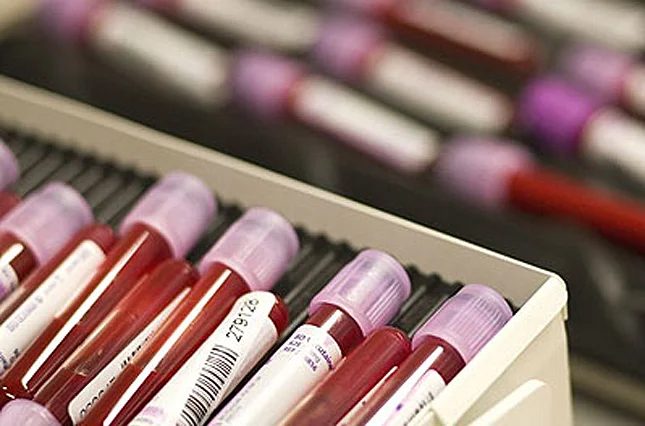
The test requires a simple blood sample, usually drawn from a vein in your arm. No special preparation is typically needed, though your healthcare provider may ask you to take the test at a specific time of day for consistency, especially if you're being monitored over time. Results help determine whether you have hypothyroidism (underactive thyroid), hyperthyroidism (overactive thyroid), or normal thyroid function. Based on the results, your doctor can recommend appropriate treatment, which may include medication, lifestyle changes, or further diagnostic testing. Regular monitoring through thyroid function tests ensures that any treatment is working effectively and that hormone levels remain within the optimal range.