
 magyar
 română
 slovenčina
 čeština
 English
 Deutsch
 polski
 italiano
 español
 svenska
 português
 français
 dansk
dansk
 suomi
suomi
 Nederlands
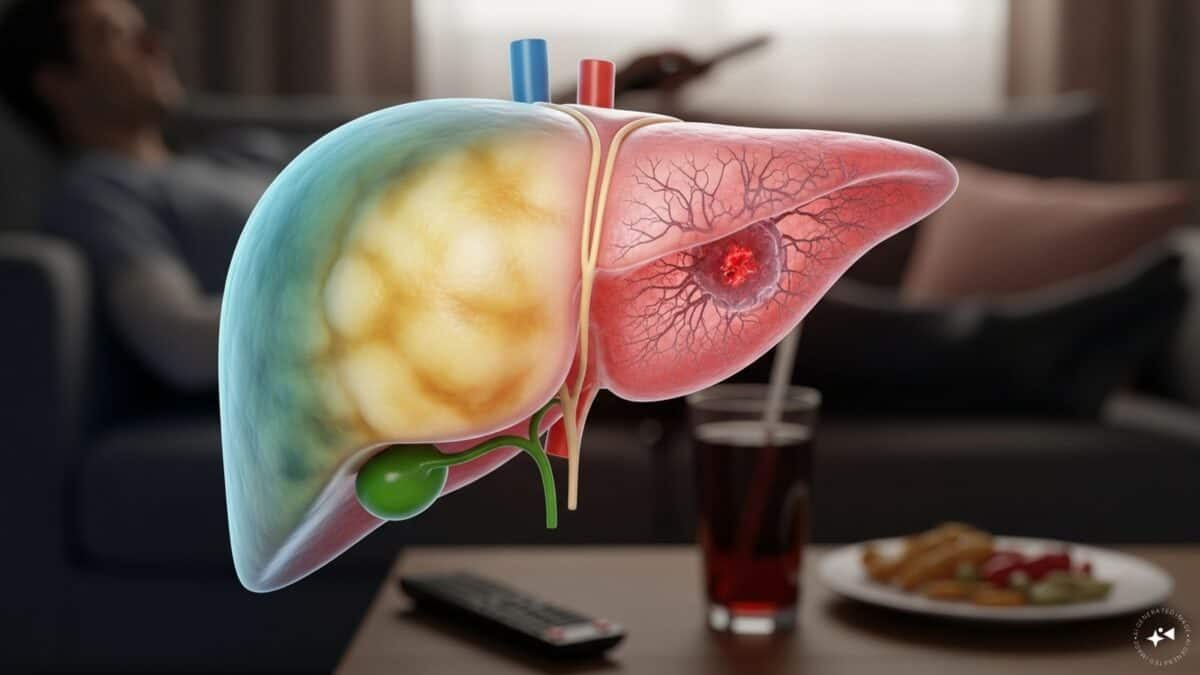
Fatty Liver Disease: A Growing Cause of Liver Cancer in India
Hemoglobin is a protein found in red blood cells that plays a crucial role in transporting oxygen throughout the body. When hemoglobin levels are too low, a condition known as anemia occurs, which can lead to fatigue, weakness, and other health problems. Testing hemoglobin levels is one of the most common laboratory tests performed and is typically part of a complete blood count. Understanding your hemoglobin levels can provide important insights into your overall health and help identify various medical conditions.
Normal hemoglobin levels vary depending on age and gender. For adult men, normal ranges typically fall between 13.5 to 17.5 grams per deciliter, while for adult women, the range is usually 12.0 to 15.5 grams per deciliter. Children and pregnant women have different reference ranges. Levels below these ranges indicate anemia, while levels above may suggest polycythemia, a condition where the body produces too many red blood cells. Several factors can influence hemoglobin levels, including altitude, smoking habits, and overall hydration status.
Low hemoglobin levels can result from various causes including iron deficiency, vitamin B12 or folate deficiency, chronic diseases, blood loss, or bone marrow disorders. Iron deficiency is the most common cause of low hemoglobin worldwide and can result from inadequate dietary intake, poor absorption, or chronic blood loss. Symptoms of low hemoglobin often include tiredness, pale skin, shortness of breath, dizziness, and rapid heartbeat. If anemia is detected, additional laboratory tests may be ordered to determine the underlying cause, such as iron studies, vitamin B12 levels, or folate levels.
High hemoglobin levels are less common but can occur due to living at high altitudes, smoking, dehydration, lung diseases, or certain blood disorders. The body may produce extra red blood cells to compensate for chronically low oxygen levels or as a result of abnormal bone marrow function. Elevated hemoglobin can increase blood thickness, potentially raising the risk of blood clots and other complications. If your hemoglobin test shows abnormal results, your healthcare provider will likely recommend follow-up testing and evaluation to determine the cause and appropriate treatment. Regular monitoring of hemoglobin levels is important for managing various health conditions and ensuring optimal oxygen delivery throughout your body.