
 magyar
 română
 slovenčina
 čeština
 English
 Deutsch
 polski
 italiano
 español
 svenska
 português
 français
 dansk
dansk
 suomi
suomi
 Nederlands
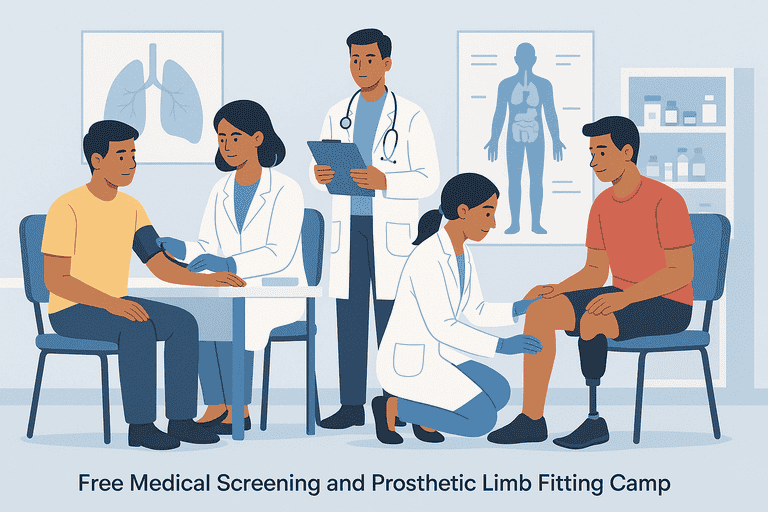
Free Medical Screening and Prosthetic Limb Fitting Camp in Coimbatore
Glucose is a simple sugar that serves as the primary source of energy for the body's cells. The glucose test measures the amount of sugar present in the blood at the time of testing. This test is essential for diagnosing and monitoring diabetes and other conditions that affect blood sugar levels. When you eat carbohydrates, your body breaks them down into glucose, which enters the bloodstream. The hormone insulin, produced by the pancreas, helps move glucose from the blood into cells where it can be used for energy.
Healthcare providers commonly order glucose tests to screen for diabetes mellitus, a condition where the body cannot properly regulate blood sugar levels. The test is also used to monitor people already diagnosed with diabetes to ensure their treatment plan is working effectively. Additionally, glucose testing helps diagnose hypoglycemia, a condition where blood sugar drops too low, and can be used to evaluate pregnant women for gestational diabetes. Symptoms that might prompt a glucose test include excessive thirst, frequent urination, unexplained weight loss, blurred vision, fatigue, and slow-healing wounds.
There are several types of glucose tests available. The fasting blood glucose test requires you to avoid eating or drinking anything except water for at least eight hours before the blood sample is taken. A random blood glucose test can be performed at any time regardless of when you last ate. The oral glucose tolerance test involves drinking a sugary solution and having blood drawn at specific intervals to see how your body processes sugar over time. The hemoglobin A1C test provides an average of blood sugar levels over the past two to three months and does not require fasting.
Normal fasting blood glucose levels typically range from 70 to 99 milligrams per deciliter. Levels between 100 and 125 milligrams per deciliter may indicate prediabetes, while levels of 126 milligrams per deciliter or higher on two separate tests generally indicate diabetes. For random glucose tests, levels below 140 milligrams per deciliter are usually considered normal, while levels of 200 milligrams per deciliter or higher may suggest diabetes, especially if accompanied by symptoms. Your healthcare provider will interpret your results based on the type of test performed, your medical history, and other factors.
Maintaining healthy blood glucose levels is important for overall health and preventing complications. Uncontrolled high blood sugar over time can damage blood vessels, nerves, eyes, kidneys, and the heart. Regular glucose testing, combined with a healthy diet, regular physical activity, maintaining a healthy weight, and following prescribed treatments, helps people with diabetes or prediabetes manage their condition effectively and reduce the risk of serious health problems.