
 magyar
 română
 slovenčina
 čeština
 English
 Deutsch
 polski
 italiano
 español
 svenska
 português
 français
 dansk
dansk
 suomi
suomi
 Nederlands
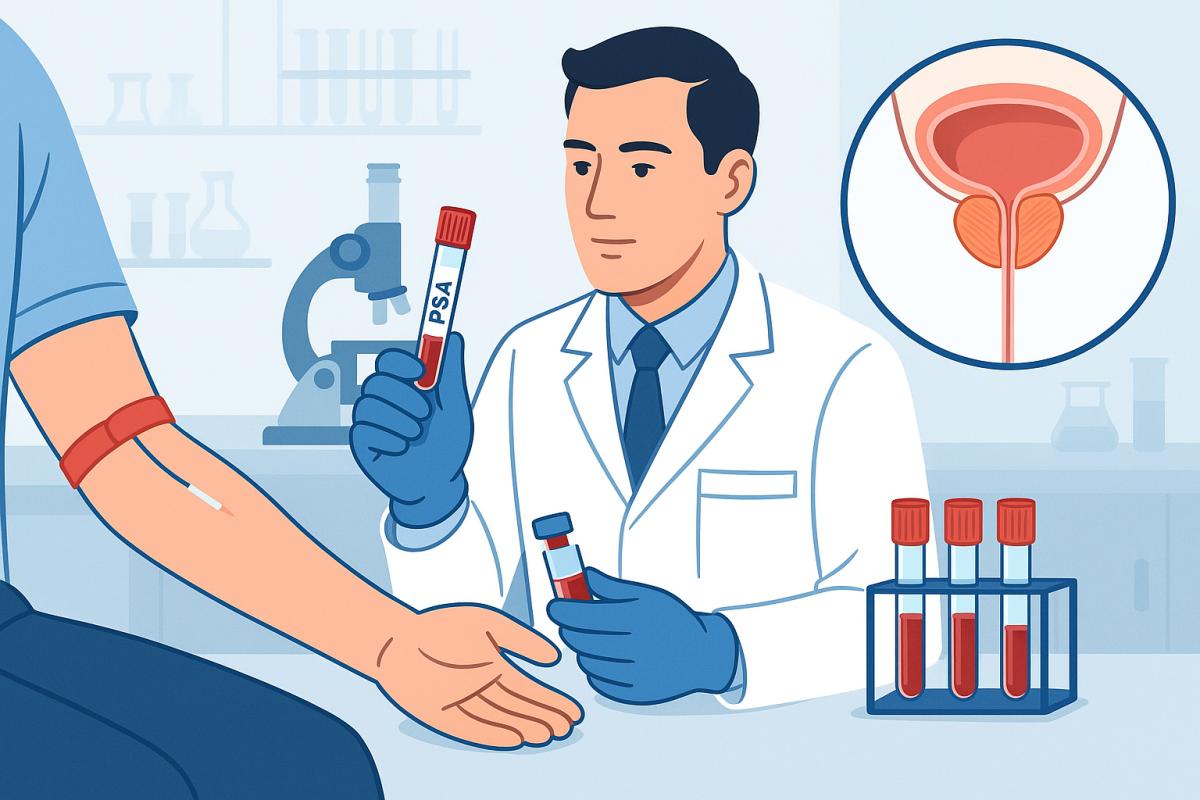
How a $21 PSA Blood Test Can Help Detect Prostate Cancer Early
Hemoglobin A1c, commonly known as HbA1c or glycated hemoglobin, is a laboratory test that measures the average blood sugar levels over the past two to three months. This test is essential for diagnosing and monitoring diabetes. Unlike regular blood glucose tests that provide a snapshot of sugar levels at a single moment, HbA1c gives healthcare providers a broader picture of how well blood sugar has been controlled over time. The test measures the percentage of hemoglobin proteins in red blood cells that have glucose attached to them. Since red blood cells live for approximately three months, the HbA1c test reflects average glucose exposure during that period.
The HbA1c test is used for several important purposes in diabetes care. It helps diagnose type 2 diabetes and prediabetes, monitors how well diabetes treatment plans are working, and guides adjustments to medications or lifestyle changes. For people without diabetes, a normal HbA1c level is below 5.7 percent. A result between 5.7 and 6.4 percent indicates prediabetes, which means blood sugar levels are higher than normal but not yet high enough to be classified as diabetes. An HbA1c level of 6.5 percent or higher on two separate tests indicates diabetes. For people already diagnosed with diabetes, the target HbA1c level is typically below 7 percent, though individual targets may vary based on age, overall health, and other factors.
The test requires a simple blood sample that can be drawn at any time of day, and fasting is not required. This convenience makes it easier for patients compared to fasting glucose tests. The blood sample is sent to a laboratory where specialized equipment measures the amount of glycated hemoglobin. Results are usually available within a few days. It is generally recommended that people with diabetes have their HbA1c tested at least twice a year if their blood sugar is well controlled and meeting treatment goals, or quarterly if their treatment has changed or if they are not meeting their targets.
Several factors can affect HbA1c test results and should be considered when interpreting the values. Certain medical conditions that affect red blood cells, such as anemia, recent blood loss, or blood transfusions, can lead to inaccurate results. Some hemoglobin variants, which are more common in people of African, Mediterranean, or Southeast Asian descent, may also interfere with certain testing methods. Pregnancy, kidney disease, and liver disease can influence results as well. Despite these limitations, the HbA1c test remains a valuable tool for diabetes management and is widely used because of its convenience and ability to reflect long-term glucose control.