
 magyar
 română
 slovenčina
 čeština
 English
 Deutsch
 polski
 italiano
 español
 svenska
 português
 français
 dansk
dansk
 suomi
suomi
 Nederlands
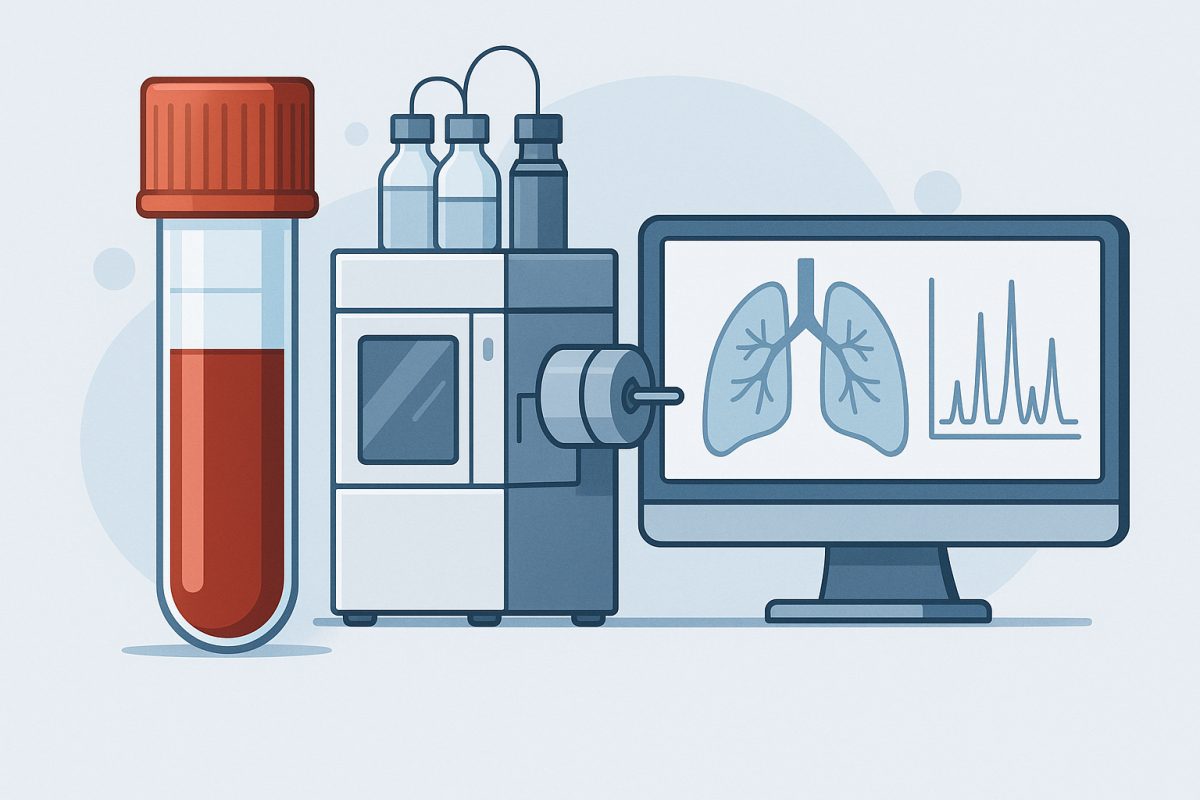
LC-MS Blood Test for Early Lung Cancer Detection
Vitamin D is a crucial nutrient that plays several important roles in maintaining overall health. It helps regulate calcium and phosphorus levels in the body, which are essential for building and maintaining strong bones and teeth. Additionally, vitamin D supports immune system function, muscle health, and may help reduce inflammation. The body can produce vitamin D when skin is exposed to sunlight, but it can also be obtained through certain foods and supplements.
A vitamin D blood test measures the level of 25-hydroxyvitamin D in your blood, which is the main form of vitamin D circulating in your body. This test is commonly ordered when a healthcare provider suspects a vitamin D deficiency or wants to monitor vitamin D levels in people at risk of deficiency. Symptoms of low vitamin D can include bone pain, muscle weakness, fatigue, and mood changes, though many people with deficiency have no obvious symptoms. The test is also used to monitor people who are taking vitamin D supplements to ensure they are receiving the proper dose.
The test is performed using a simple blood sample, typically drawn from a vein in your arm. No special preparation is usually required, though your healthcare provider may ask you to fast for a certain period before the test or temporarily stop taking vitamin D supplements. Normal vitamin D levels generally fall between 20 and 50 nanograms per milliliter, though optimal ranges may vary slightly depending on the laboratory and individual health factors. Levels below 20 nanograms per milliliter are typically considered deficient, while levels above 50 nanograms per milliliter may indicate excess vitamin D.
People at higher risk for vitamin D deficiency include older adults, individuals with limited sun exposure, those with darker skin, people who are obese, and those with certain medical conditions that affect nutrient absorption. If your test results show low vitamin D levels, your healthcare provider may recommend increasing sun exposure, eating more vitamin D-rich foods such as fatty fish and fortified dairy products, or taking vitamin D supplements. Regular monitoring through blood tests may be necessary to ensure levels return to and remain within the normal range.