
 magyar
 română
 slovenčina
 čeština
 English
 Deutsch
 polski
 italiano
 español
 svenska
 português
 français
 dansk
dansk
 suomi
suomi
 Nederlands
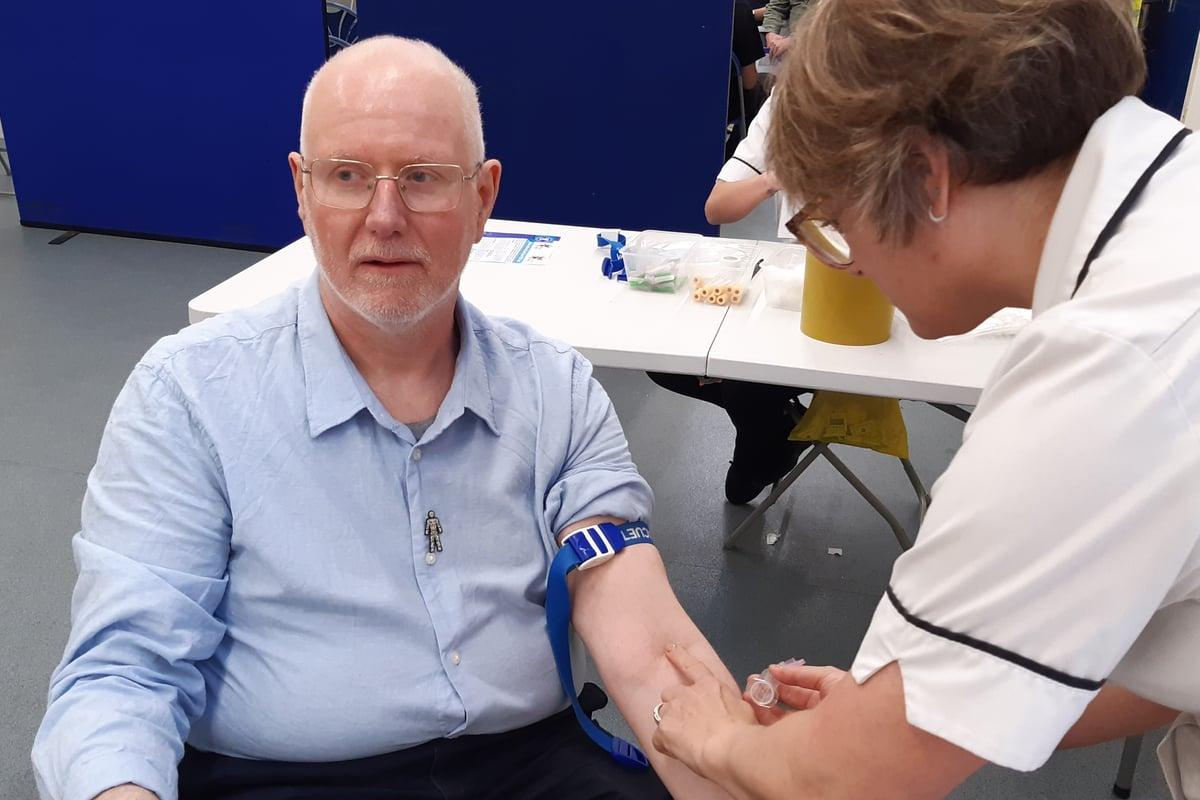
Overcoming Needle Anxiety for Life-Saving Cancer Screening Blood Tests
Fasting blood glucose is a common laboratory test that measures the amount of sugar (glucose) in your blood after you have not eaten for at least 8 hours. This test is primarily used to screen for and diagnose diabetes and prediabetes. Glucose is the main source of energy for your body's cells, and insulin, a hormone produced by the pancreas, helps glucose enter cells from the bloodstream. When this system doesn't work properly, blood sugar levels can become too high, leading to diabetes.
The test is typically performed in the morning after an overnight fast. Normal fasting blood glucose levels are generally below 100 milligrams per deciliter (mg/dL). If your results fall between 100 and 125 mg/dL, you may have prediabetes, which means your blood sugar is higher than normal but not high enough to be classified as diabetes. A fasting blood glucose level of 126 mg/dL or higher on two separate occasions indicates diabetes. Your healthcare provider may order additional tests, such as hemoglobin A1C or an oral glucose tolerance test, to confirm the diagnosis.
Preparing for a fasting blood glucose test is straightforward but important for accurate results. You should not eat or drink anything except water for at least 8 hours before the test. It's best to schedule the test for early morning so you can fast overnight while sleeping. Continue taking any prescribed medications unless your doctor instructs otherwise, and inform the laboratory staff about all medications and supplements you're taking, as some can affect blood sugar levels.
Several factors can influence your fasting blood glucose results beyond diabetes. Stress, illness, certain medications like steroids or diuretics, and hormonal changes can temporarily raise blood sugar levels. Physical activity, alcohol consumption, and some dietary supplements may also affect results. If your test shows abnormal levels, your healthcare provider will consider these factors and may recommend repeat testing or additional diagnostic procedures to determine the cause and appropriate treatment plan.