
 magyar
 română
 slovenčina
 čeština
 English
 Deutsch
 polski
 italiano
 español
 svenska
 português
 français
 dansk
dansk
 suomi
suomi
 Nederlands
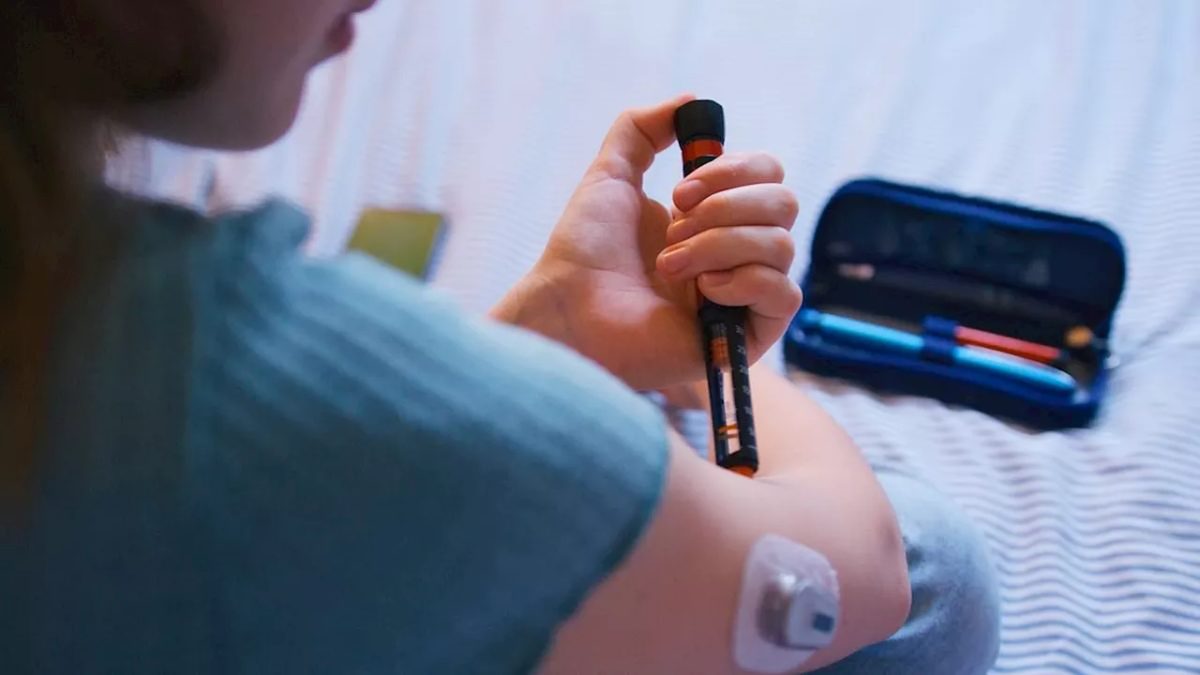
Rise in Type 2 Diabetes Among Young Women
Comprehensive Metabolic Panel: Understanding Your Blood Chemistry Results
A Comprehensive Metabolic Panel, commonly known as CMP, is a blood test that measures 14 different substances in your blood. This panel provides important information about your body's chemical balance and metabolism, helping healthcare providers assess how well your kidneys and liver are functioning, as well as evaluate your blood sugar and protein levels. The test is often ordered as part of routine health screenings, to monitor chronic conditions, or to investigate symptoms that might indicate metabolic problems.
The CMP includes several key measurements that fall into different categories. It checks your blood glucose level, which indicates how your body processes sugar and can help detect diabetes or hypoglycemia. The test also measures electrolytes including sodium, potassium, carbon dioxide, and chloride, which are essential minerals that help regulate your body's fluid balance, nerve function, and muscle activity. Additionally, the panel evaluates kidney function through blood urea nitrogen and creatinine levels, which show how effectively your kidneys are filtering waste products from your blood.
The liver function component of the CMP includes measurements of albumin and total protein, which indicate your liver's ability to produce essential proteins, as well as enzymes called alkaline phosphatase, alanine aminotransferase, and aspartate aminotransferase that can reveal liver inflammation or damage. Calcium levels are also measured, as this mineral plays a crucial role in bone health, muscle function, and nerve signaling. Together, these measurements provide a comprehensive snapshot of your metabolic health.
Preparing for a CMP typically requires fasting for 10 to 12 hours before the blood draw, meaning you should not eat or drink anything except water during this time. Your healthcare provider will give you specific instructions based on your individual situation. The blood sample is usually collected from a vein in your arm, and results are typically available within a few days. Abnormal results may indicate various health conditions and often require follow-up testing or evaluation to determine the underlying cause and appropriate treatment approach.