
 magyar
 română
 slovenčina
 čeština
 English
 Deutsch
 polski
 italiano
 español
 svenska
 português
 français
 dansk
dansk
 suomi
suomi
 Nederlands
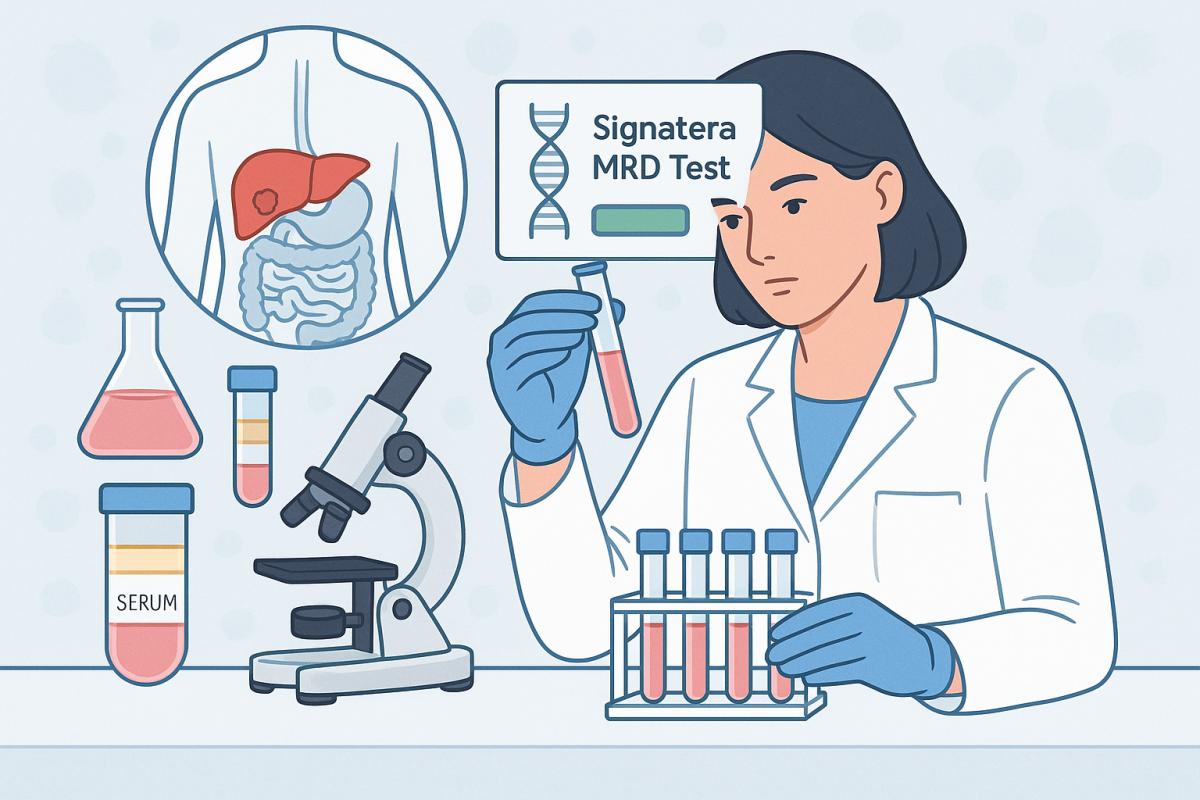
Signatera MRD Test Evaluated in Resected Colorectal Liver Metastases Patients
Hemoglobin A1c, commonly known as HbA1c or glycated hemoglobin, is a crucial blood test used to monitor long-term blood glucose control in people with diabetes. This test measures the percentage of hemoglobin proteins in red blood cells that have glucose attached to them. Unlike daily blood sugar tests that provide a snapshot of glucose levels at a specific moment, the HbA1c test reflects average blood sugar levels over the past two to three months. This timeframe corresponds to the typical lifespan of red blood cells, making it an excellent indicator of overall glucose management.
The HbA1c test works by measuring how much glucose has bonded with hemoglobin in the bloodstream. When blood sugar levels are consistently elevated, more glucose attaches to hemoglobin molecules through a process called glycation. The higher the blood glucose levels over time, the higher the HbA1c percentage will be. For people without diabetes, normal HbA1c levels are typically below 5.7 percent. A level between 5.7 and 6.4 percent indicates prediabetes, while a level of 6.5 percent or higher on two separate tests suggests diabetes. For those already diagnosed with diabetes, the target HbA1c level is usually below 7 percent, though individual targets may vary based on age, health conditions, and treatment plans.
Healthcare providers recommend HbA1c testing at different frequencies depending on individual circumstances. People with well-controlled diabetes who are meeting treatment goals typically need testing twice a year. However, those whose treatment has recently changed or who are not meeting their glucose targets may require more frequent testing, often every three months. The test is also used as a screening tool for prediabetes and diabetes in people showing risk factors or symptoms. One advantage of the HbA1c test is that it can be performed at any time of day and does not require fasting, making it more convenient than traditional glucose tolerance tests.
Understanding HbA1c results is important for effective diabetes management. Each one percent reduction in HbA1c levels can significantly decrease the risk of diabetes-related complications, including nerve damage, kidney disease, eye problems, and cardiovascular disease. However, certain conditions can affect the accuracy of HbA1c results, including anemia, recent blood loss, certain hemoglobin variants, kidney or liver disease, and recent blood transfusions. In such cases, healthcare providers may use alternative tests or additional monitoring methods. Regular HbA1c testing, combined with daily blood glucose monitoring, provides a comprehensive picture of diabetes control and helps patients and healthcare providers make informed decisions about treatment adjustments and lifestyle modifications.