
 magyar
 română
 slovenčina
 čeština
 English
 Deutsch
 polski
 italiano
 español
 svenska
 português
 français
 dansk
dansk
 suomi
suomi
 Nederlands
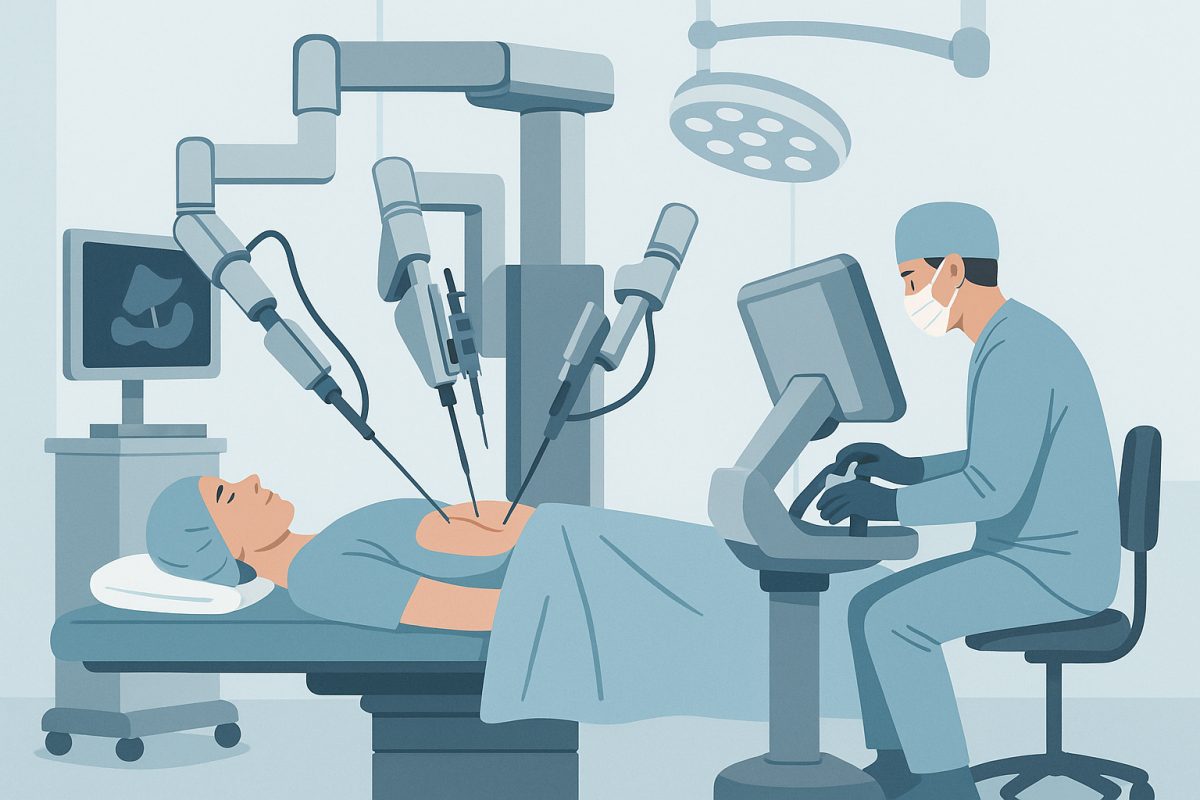
Surgical Robotics: Emerging Technologies and Market Developments
Hemoglobin is a crucial protein found in red blood cells that carries oxygen from the lungs to all parts of the body and returns carbon dioxide back to the lungs for exhalation. When hemoglobin levels fall below normal ranges, a condition called anemia develops. Anemia can result from various causes including nutritional deficiencies, chronic diseases, blood loss, or inherited disorders. Understanding your hemoglobin levels through laboratory testing is essential for diagnosing and managing anemia effectively.
Laboratory tests for hemoglobin are typically part of a complete blood count, one of the most commonly ordered blood tests. The test measures the amount of hemoglobin in grams per deciliter of blood. Normal hemoglobin ranges vary by age and gender. For adult men, normal values are generally between 13.5 and 17.5 grams per deciliter, while for adult women, the range is typically 12.0 to 15.5 grams per deciliter. Children and pregnant women have different reference ranges. Values below these ranges indicate anemia, while values above normal may suggest other conditions requiring medical evaluation.
When anemia is detected through hemoglobin testing, additional laboratory tests are often necessary to determine the underlying cause. These may include tests for iron levels, vitamin B12, folate, and other markers that help identify whether anemia is due to iron deficiency, vitamin deficiency, chronic disease, or other factors. The mean corpuscular volume test measures the average size of red blood cells and helps classify the type of anemia. Reticulocyte counts assess how quickly the body is producing new red blood cells, providing insight into bone marrow function.
Preparing for a hemoglobin test is usually straightforward, as it typically requires no special preparation. The blood sample is drawn from a vein, usually in the arm, and the procedure takes only a few minutes. Results are generally available within a day or two. If your hemoglobin levels are abnormal, your healthcare provider will interpret the results in the context of your symptoms, medical history, and other test findings to determine appropriate next steps. Regular monitoring of hemoglobin levels may be recommended for people with chronic conditions, those undergoing certain treatments, or individuals at risk for anemia.