
 magyar
 română
 slovenčina
 čeština
 English
 Deutsch
 polski
 italiano
 español
 svenska
 português
 français
 dansk
dansk
 suomi
suomi
 Nederlands
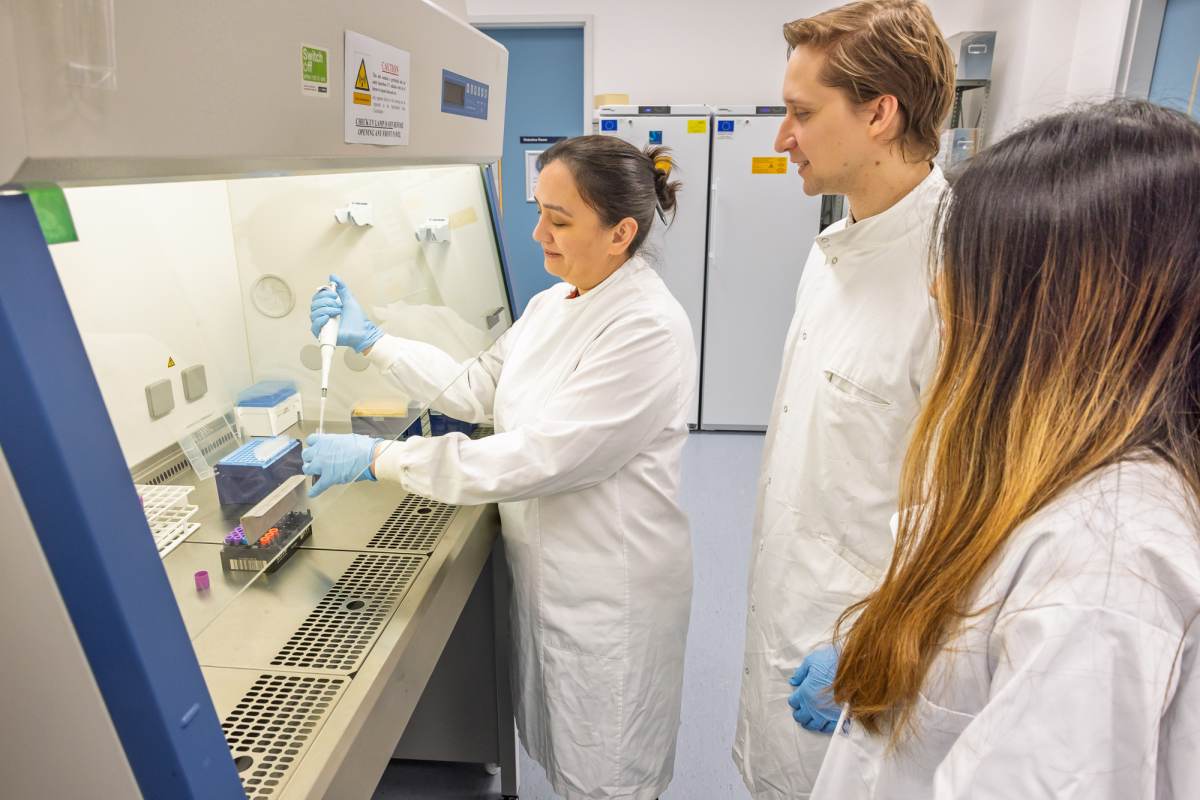
Thousands Invited for Groundbreaking Lung Cancer Screening Study on Merseyside
Prothrombin time, commonly known as PT, is a blood test that measures how long it takes for blood to clot. This test evaluates the function of several clotting factors in the blood, specifically factors I, II, V, VII, and X, which are part of the extrinsic and common pathways of the coagulation cascade. The PT test is essential for monitoring patients who take blood-thinning medications such as warfarin, and it helps diagnose bleeding disorders or clotting problems. The test result is often reported as an INR value, which stands for International Normalized Ratio, providing a standardized measurement that allows for consistent interpretation across different laboratories.
The PT test is performed using a blood sample typically drawn from a vein in the arm. The sample is collected in a tube containing sodium citrate, which prevents the blood from clotting during transport to the laboratory. In the lab, technicians add specific chemicals to the blood sample and measure the time it takes for a clot to form. Normal PT values generally range from 11 to 13.5 seconds, though this can vary slightly depending on the laboratory and testing methods used. The INR value for people not on anticoagulant therapy is usually around 1.0, while those taking warfarin typically have a target INR between 2.0 and 3.0, depending on their medical condition.
Healthcare providers order PT tests for several important reasons. The test is crucial for patients taking warfarin or similar anticoagulants to ensure the medication is working properly and the dosage is appropriate. It helps prevent both excessive bleeding from too much anticoagulation and blood clots from insufficient anticoagulation. Doctors also use the PT test to evaluate liver function since the liver produces most clotting factors, and liver disease can affect clotting ability. Additionally, the test helps diagnose unexplained bleeding, assess vitamin K deficiency, and screen for clotting disorders before surgery.
Abnormal PT results require careful interpretation. A prolonged PT or elevated INR indicates that blood takes longer than normal to clot, which may occur due to warfarin therapy, liver disease, vitamin K deficiency, certain medications, or inherited clotting factor deficiencies. A shortened PT is less common but may suggest an increased risk of blood clots. Patients should inform their healthcare provider about all medications and supplements they take, as many substances can affect PT results. While no special preparation is usually required for the test, following specific instructions from the healthcare provider ensures accurate results and proper management of any underlying conditions.