
 magyar
 română
 slovenčina
 čeština
 English
 Deutsch
 polski
 italiano
 español
 svenska
 português
 français
 dansk
dansk
 suomi
suomi
 Nederlands
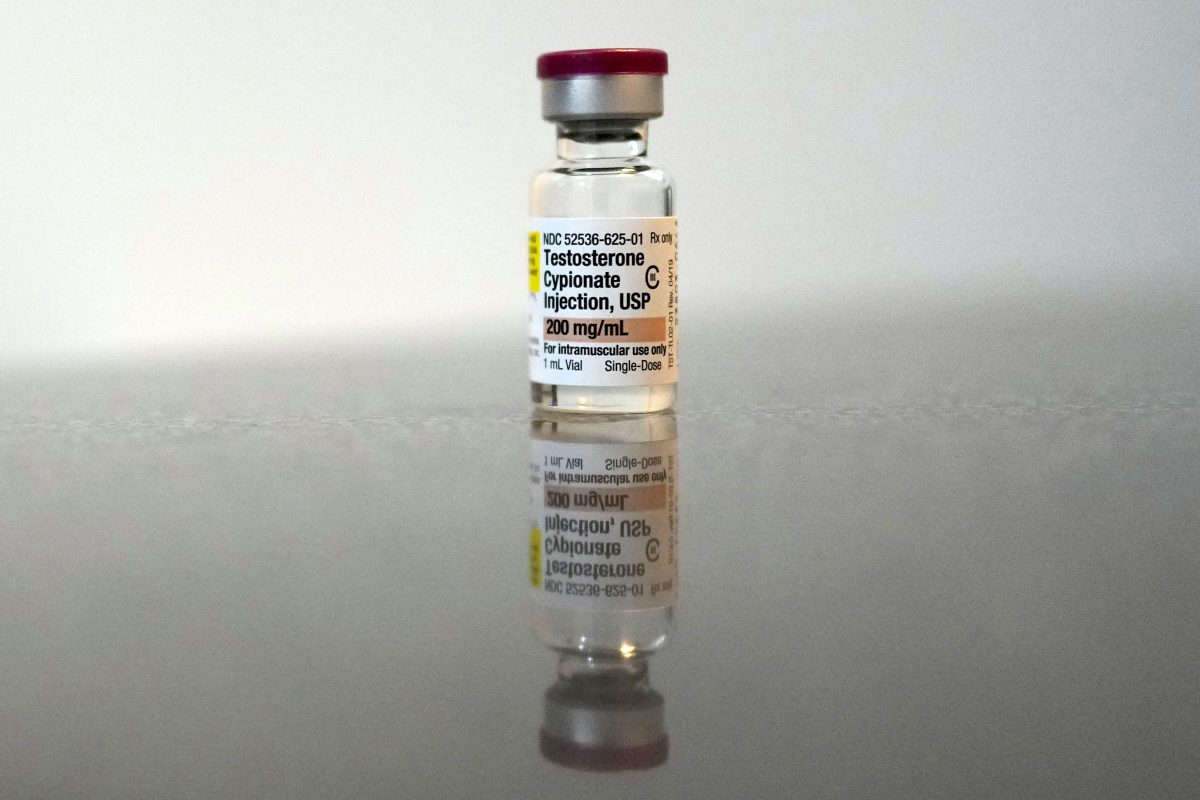
Trump Officials Push to Ease Testosterone Prescription Rules: What It Means for Testing
Urine culture is a laboratory test used to detect and identify bacteria or other microorganisms that may be causing a urinary tract infection. This diagnostic test is commonly ordered when a patient experiences symptoms such as painful urination, frequent urination, lower abdominal pain, fever, or cloudy and foul-smelling urine. The test helps healthcare providers determine the specific type of bacteria causing the infection and which antibiotics will be most effective for treatment.
The test procedure involves collecting a urine sample, preferably the first morning urine or a midstream clean-catch specimen to minimize contamination from skin bacteria. The sample is then transported to the laboratory where it is placed on special culture media that encourage bacterial growth. The culture plates are incubated at body temperature for 24 to 48 hours, allowing any bacteria present in the urine to multiply and form visible colonies. Laboratory technicians examine these colonies to identify the type of bacteria and count the number of organisms present.
Results from a urine culture are typically reported as the number of colony-forming units per milliliter of urine. A count of 100,000 or more colony-forming units per milliliter generally indicates a urinary tract infection, although lower counts may also be significant depending on the patient's symptoms and clinical situation. The most common bacteria found in urinary tract infections include Escherichia coli, Klebsiella, Proteus, Enterococcus, and Staphylococcus saprophyticus.
Along with identifying the bacteria, laboratories usually perform an antibiotic susceptibility test, also known as sensitivity testing. This additional test determines which antibiotics will be effective against the specific bacteria found in the urine sample. The results guide physicians in selecting the most appropriate antibiotic treatment, helping to ensure successful therapy while reducing the risk of antibiotic resistance. Patients typically receive their culture results within two to three days after sample collection, though preliminary results may be available sooner if rapid bacterial growth occurs.