
 magyar
 română
 slovenčina
 čeština
 English
 Deutsch
 polski
 italiano
 español
 svenska
 português
 français
 dansk
dansk
 suomi
suomi
 Nederlands
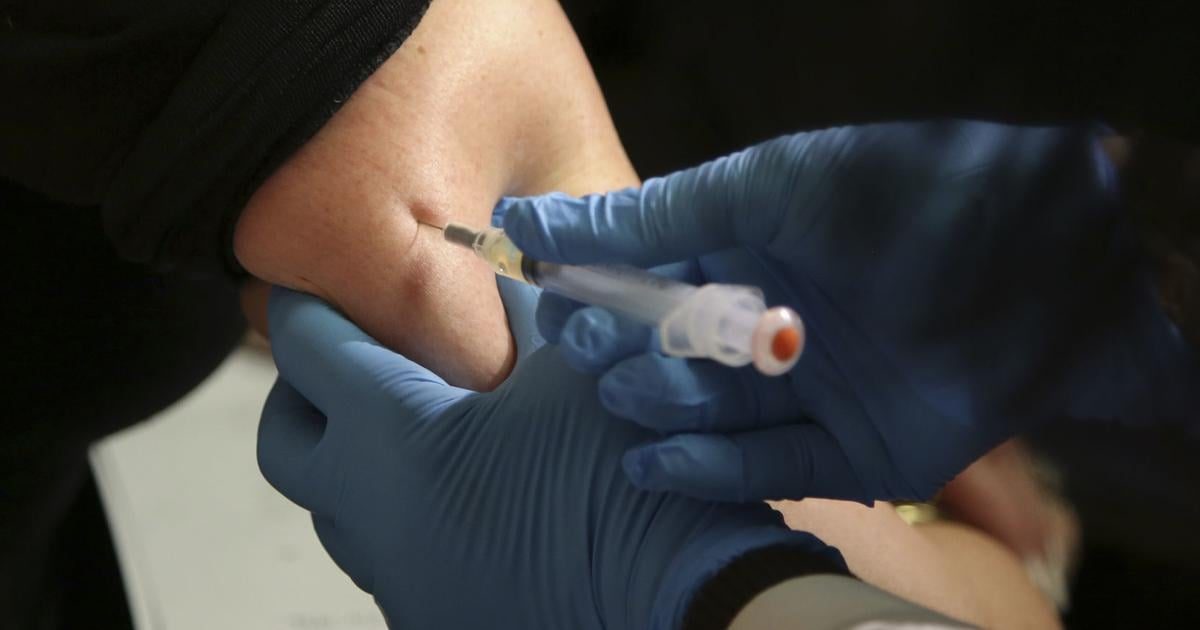
Adults Born 1963-1967 May Need Measles Booster Shot
Hemoglobin A1c, commonly known as HbA1c or glycated hemoglobin, is a laboratory test that measures the average blood sugar levels over the past two to three months. This test is essential for diagnosing and monitoring diabetes. Unlike regular blood sugar tests that provide a snapshot of glucose levels at a single moment, HbA1c gives healthcare providers a broader picture of how well blood sugar has been controlled over time. The test works by measuring the percentage of hemoglobin proteins in red blood cells that have glucose attached to them. Since red blood cells live for approximately three months, the test reflects the average glucose exposure during that period.
The HbA1c test is particularly valuable because it does not require fasting and can be performed at any time of day, making it more convenient than traditional glucose tests. For people without diabetes, normal HbA1c levels are typically below 5.7 percent. Levels between 5.7 and 6.4 percent indicate prediabetes, a condition where blood sugar levels are higher than normal but not yet high enough to be classified as diabetes. An HbA1c level of 6.5 percent or higher on two separate tests indicates diabetes. For individuals already diagnosed with diabetes, the test is used to monitor how well their treatment plan is working, with most diabetes management guidelines recommending a target HbA1c level below 7 percent for many adults.
Regular HbA1c testing is recommended for people with diabetes, typically every three to six months depending on how well their condition is controlled. The frequency may be more often if treatment plans change or if blood sugar levels are not meeting target goals. Healthcare providers use HbA1c results along with other information to adjust medications, diet recommendations, and lifestyle modifications. It is important to note that certain conditions can affect HbA1c results, including anemia, recent blood loss, certain medications, and hemoglobin variants. People with these conditions may need alternative testing methods or more frequent monitoring.
Understanding your HbA1c results can help you take an active role in managing your health. Higher HbA1c levels are associated with an increased risk of diabetes complications, including damage to the eyes, kidneys, nerves, and blood vessels. By maintaining HbA1c levels within the recommended range through proper diet, exercise, medication adherence, and regular monitoring, individuals with diabetes can significantly reduce their risk of these complications and improve their overall quality of life.