
 magyar
 română
 slovenčina
 čeština
 English
 Deutsch
 polski
 italiano
 español
 svenska
 português
 français
 dansk
dansk
 suomi
suomi
 Nederlands
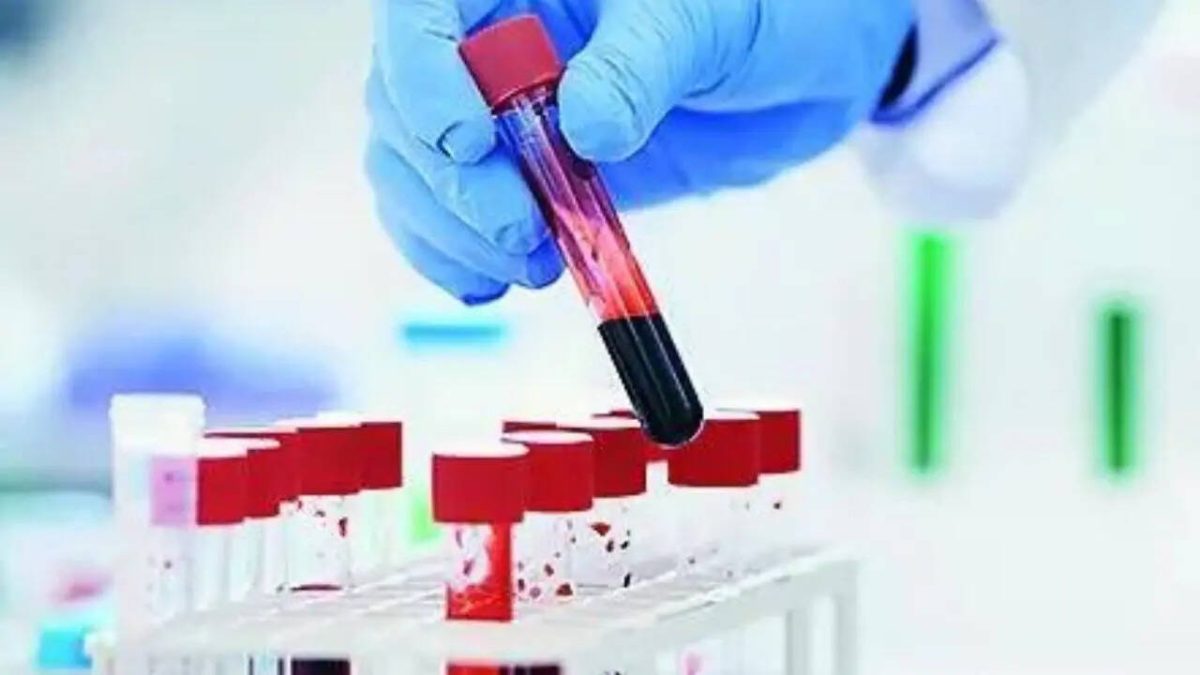
Blood Test Can Predict Lung Cancer Up to 5 Years Before Diagnosis
Hemoglobin is a vital protein found in red blood cells that carries oxygen throughout the body. When hemoglobin levels are too low, a condition called anemia develops, which can cause fatigue, weakness, and other health problems. Laboratory testing to measure hemoglobin levels is one of the most common blood tests performed and is essential for diagnosing and monitoring various medical conditions.
A complete blood count, or CBC, is the primary laboratory test used to measure hemoglobin levels. This test provides information about different components of blood, including red blood cells, white blood cells, and platelets. The hemoglobin measurement within a CBC tells healthcare providers how much of this oxygen-carrying protein is present in the blood. Normal hemoglobin levels vary by age and sex, with adult men typically having levels between 13.5 and 17.5 grams per deciliter, while adult women usually have levels between 12.0 and 15.5 grams per deciliter. Children and pregnant women have different reference ranges.
Low hemoglobin levels can result from various causes including iron deficiency, vitamin deficiencies, chronic diseases, blood loss, or bone marrow problems. High hemoglobin levels, though less common, may indicate dehydration, lung disease, or certain blood disorders. When hemoglobin levels fall outside the normal range, additional laboratory tests may be ordered to determine the underlying cause. These follow-up tests might include iron studies, vitamin B12 and folate levels, reticulocyte count, or more specialized tests depending on the clinical situation.
Preparing for a hemoglobin test typically requires no special preparation, though fasting may be requested if other tests are being performed simultaneously. The test involves drawing a small blood sample from a vein, usually in the arm, which takes only a few minutes. Results are generally available within hours to a day. Regular monitoring of hemoglobin levels is important for people with chronic conditions, those undergoing certain treatments, pregnant women, and individuals with symptoms suggesting anemia or blood disorders. Healthcare providers use these test results along with other clinical information to make appropriate diagnoses and treatment decisions.