
 magyar
 română
 slovenčina
 čeština
 English
 Deutsch
 polski
 italiano
 español
 svenska
 português
 français
 dansk
dansk
 suomi
suomi
 Nederlands
Stockholm3 Blood Test Superior to PSA for Aggressive Prostate Cancer Detection
Hemoglobin A1c, commonly known as HbA1c or glycated hemoglobin, is a critical blood test used to measure average blood sugar levels over the past two to three months. This test is essential for diagnosing diabetes and prediabetes, as well as monitoring how well blood sugar is being controlled in people already diagnosed with these conditions. Unlike regular blood glucose tests that provide a snapshot of sugar levels at a single moment, the HbA1c test offers a longer-term view of glucose control by measuring the percentage of hemoglobin proteins in red blood cells that have glucose attached to them.
The test works because glucose in the bloodstream naturally attaches to hemoglobin, the oxygen-carrying protein in red blood cells. The higher the blood glucose levels over time, the more glucose binds to hemoglobin. Since red blood cells live for approximately three months, the HbA1c test reflects average blood sugar levels during that period. Results are reported as a percentage: normal levels are generally below 5.7 percent, prediabetes is indicated by levels between 5.7 and 6.4 percent, and diabetes is diagnosed when levels reach 6.5 percent or higher on two separate tests.
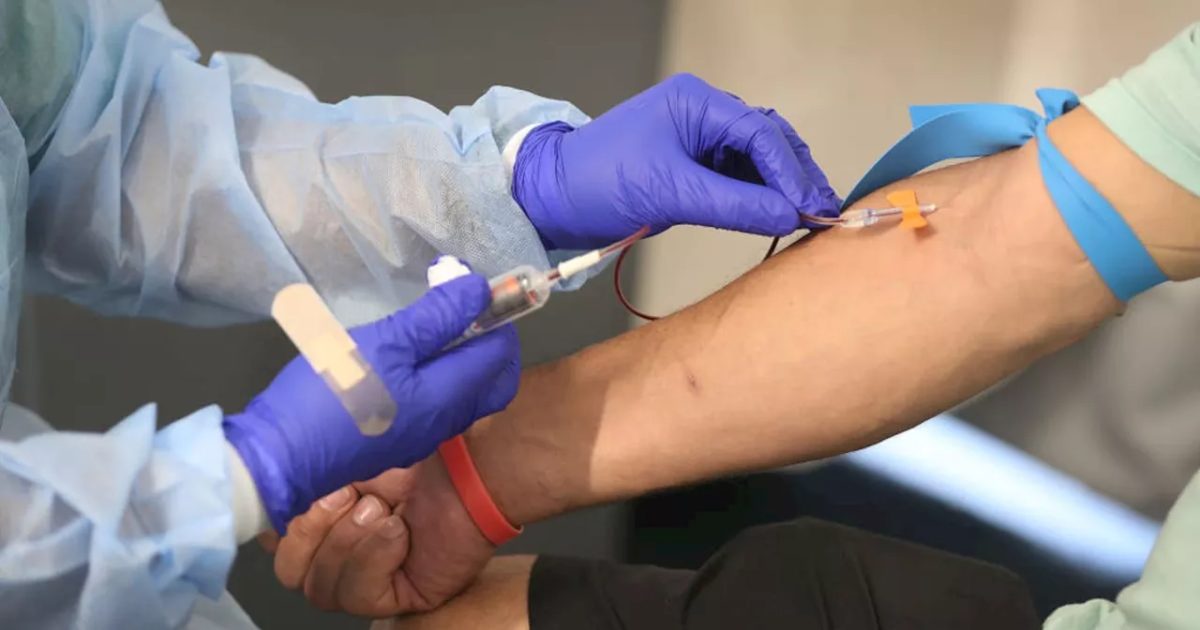
For people with diabetes, the HbA1c test is typically performed every three to six months to assess treatment effectiveness and make necessary adjustments to medication, diet, or lifestyle. The test requires a simple blood draw and does not require fasting, making it convenient for patients. Healthcare providers use HbA1c results to set individualized treatment goals, though many adults with diabetes aim for levels below 7 percent to reduce the risk of complications such as kidney disease, nerve damage, and cardiovascular problems.
Several factors can affect HbA1c results, including certain medical conditions that influence red blood cell lifespan, such as anemia, recent blood transfusions, or hemoglobin variants. Pregnancy, kidney failure, and liver disease may also impact test accuracy. Additionally, HbA1c results may vary slightly between different laboratory methods. People concerned about their results should discuss them with their healthcare provider, who can interpret the findings in the context of overall health status and other diagnostic information.